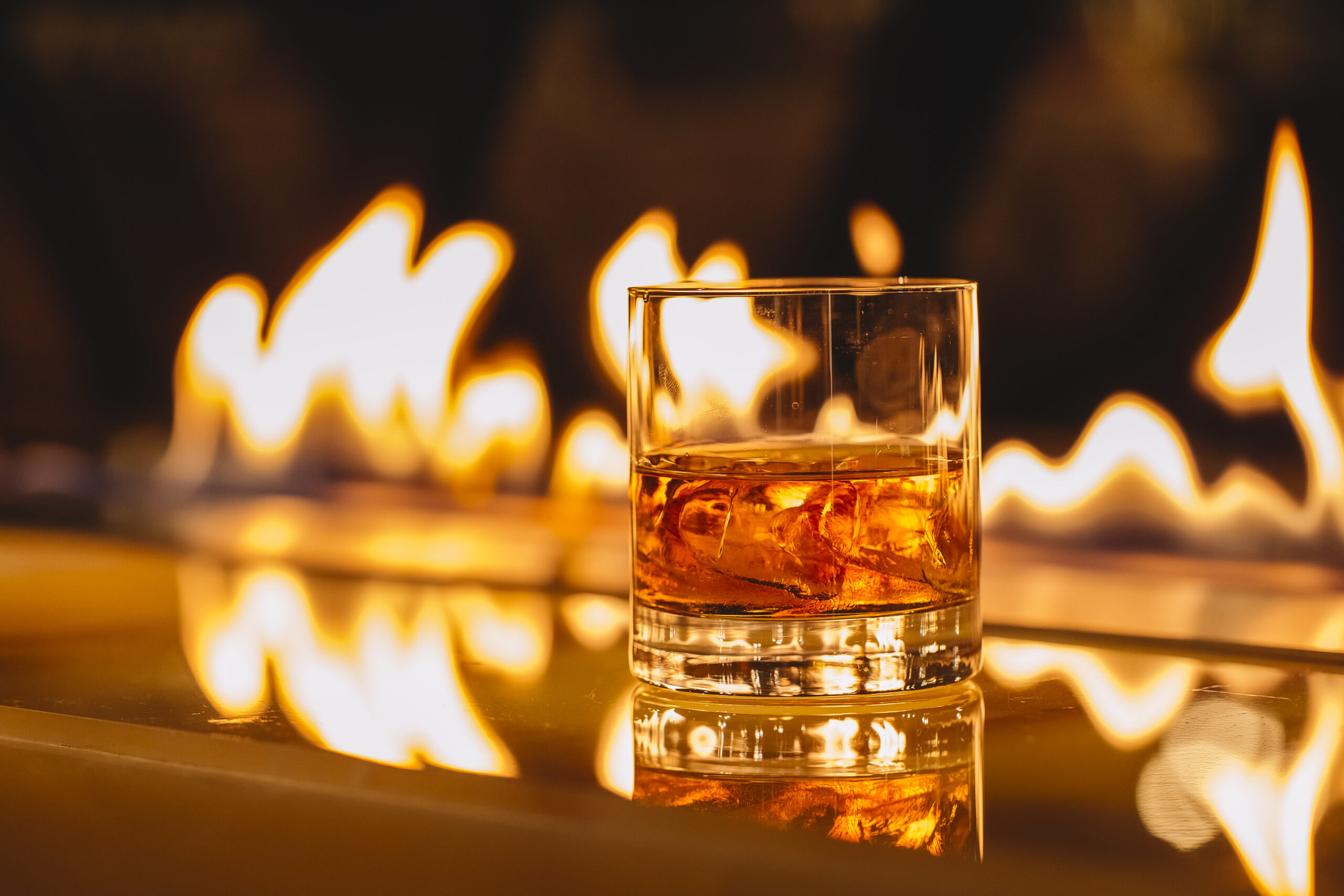
Types of Rum: A Complete Guide to Every Style
Rum reflects the sugarcane it comes from, the barrel it rests in, and the region that shapes it. Understanding the types of rum helps you choose bottles with confidence, whether you are stocking a home bar or building a serious collection.
What Shapes a Rum’s Character
Every bottle starts as sugarcane juice or molasses before fermentation and distillation begin. The choices made at each stage, from still type to aging vessel, determine which category a rum ultimately falls into.
Distillers around the world follow different regulations and traditions. That variation is exactly why the rum aisle looks so different from one country to the next.
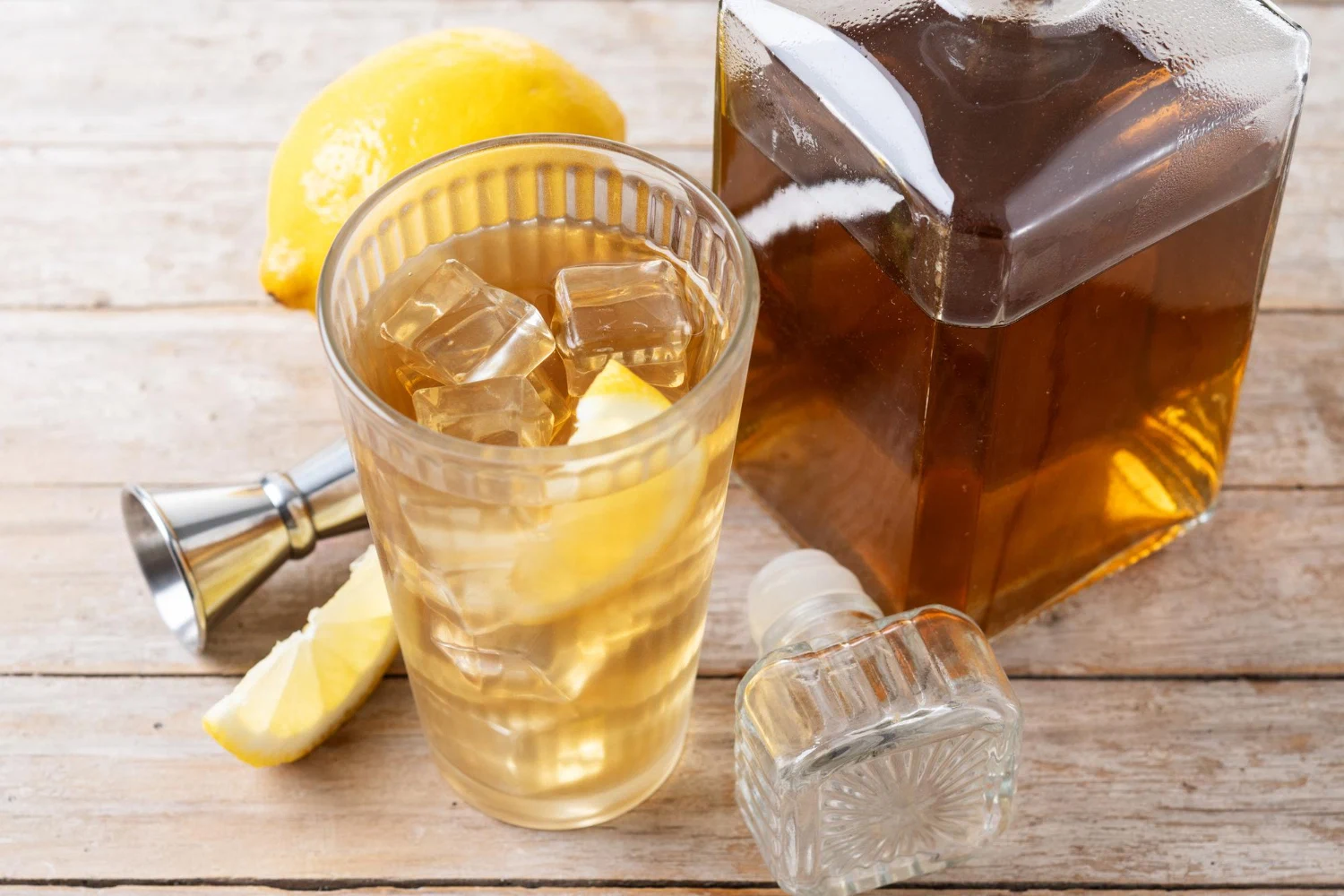
The Main Types of Rum by Style
Most rums fall into a handful of recognizable categories. Each one delivers a distinct flavor profile and serves a different purpose on your shelf.
Learning these core styles gives you a reliable starting point before exploring more specialized bottles.
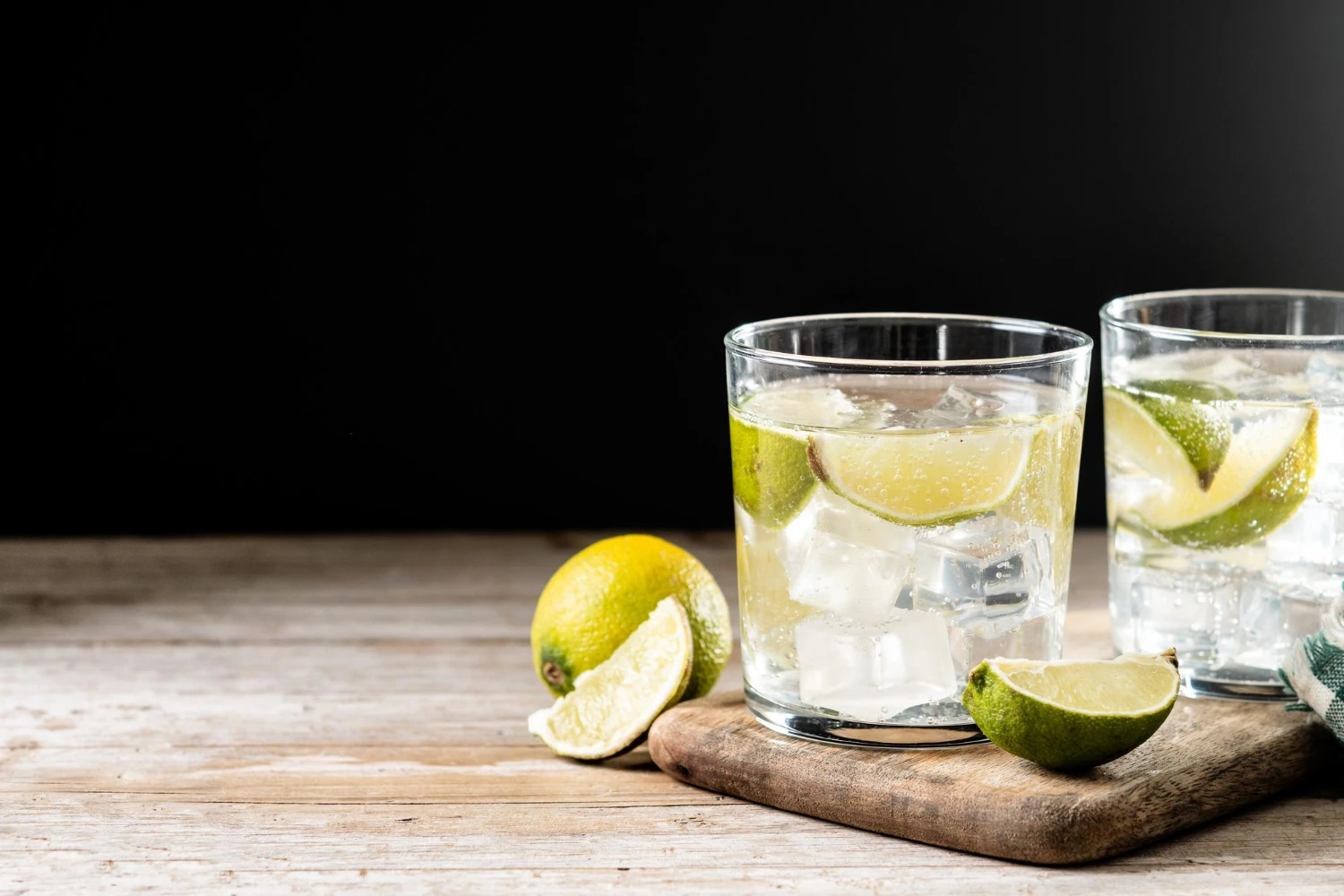
White Rum
White rum, also called light or silver rum, is filtered after distillation to remove color and heavy congeners, giving you a clean, crisp spirit built for mixing. Bartenders reach for it in mojitos, daiquiris, and other citrus-forward cocktails, since its neutral profile lets other ingredients shine.
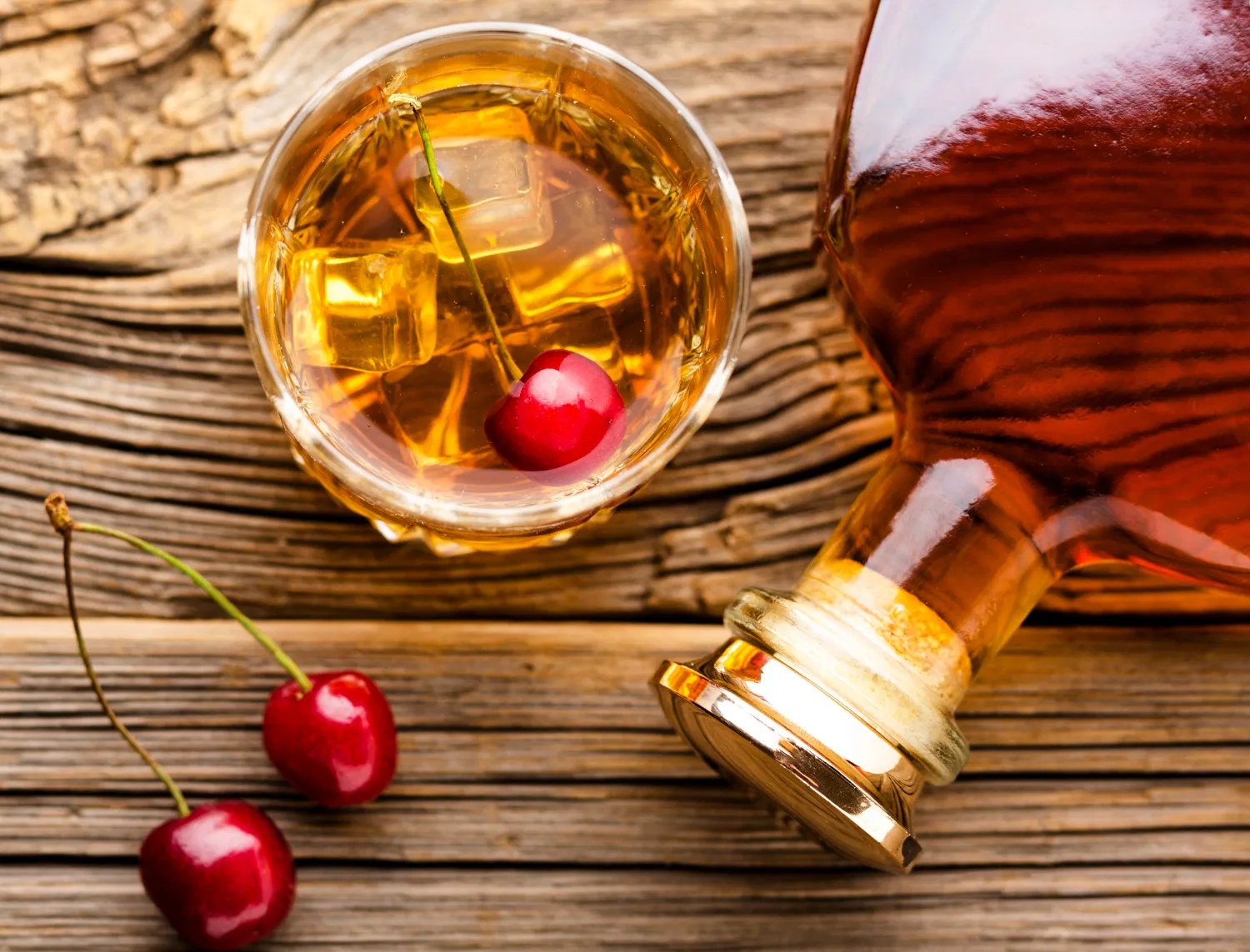
Gold Rum
Gold rum spends time in oak barrels, picking up amber color and softer, rounder notes along the way, landing between white and dark rum in intensity. This middle-ground character makes gold rum flexible enough for cocktails and casual neat pours alike.
Dark Rum
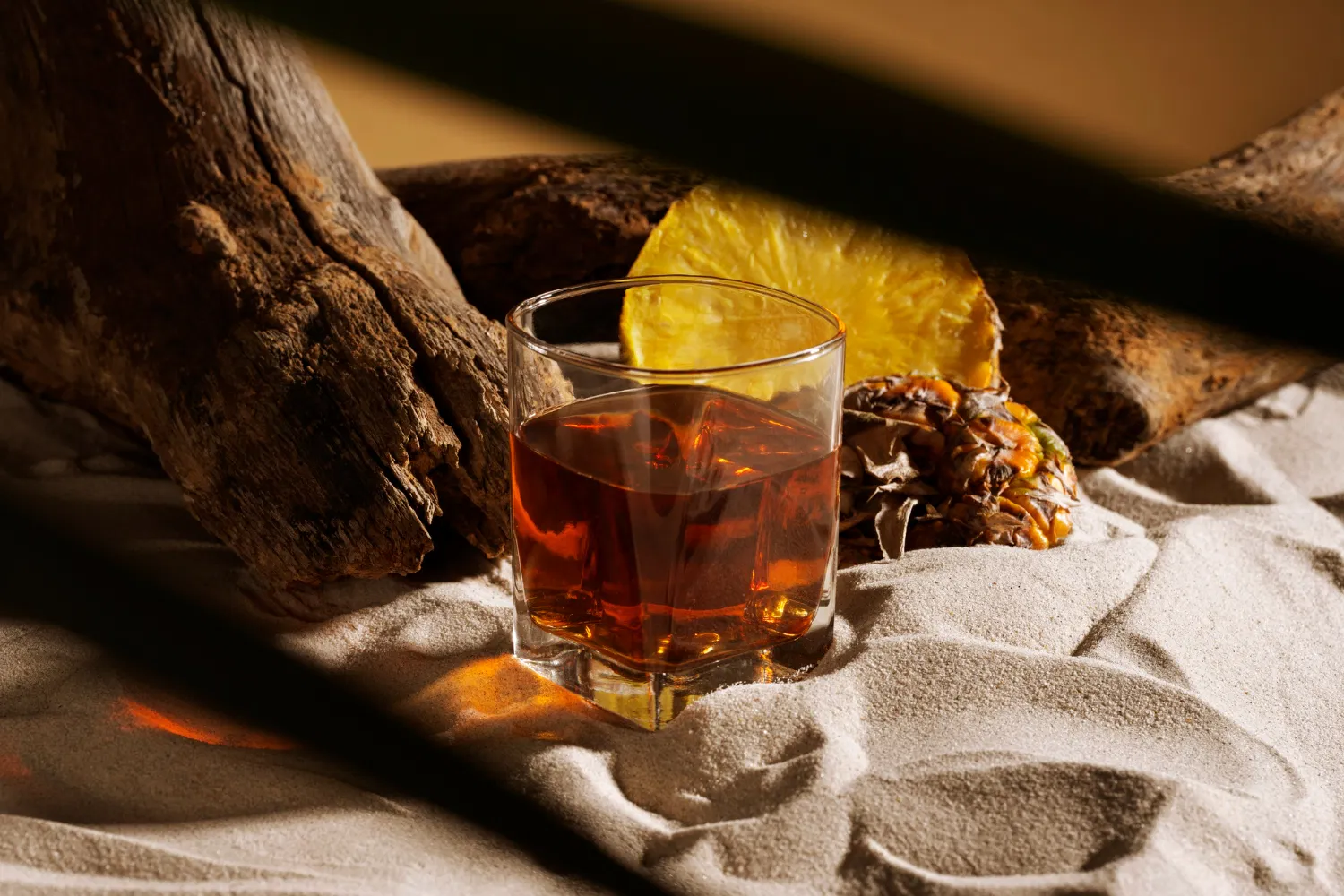
Dark rum ages longer in heavily charred barrels, developing rich flavors of caramel, molasses, and toasted wood that reward a slower sip. It also works well in baking, slow-simmered sauces, and cocktails that call for a bold backbone, such as a dark and stormy.
Spiced Rum
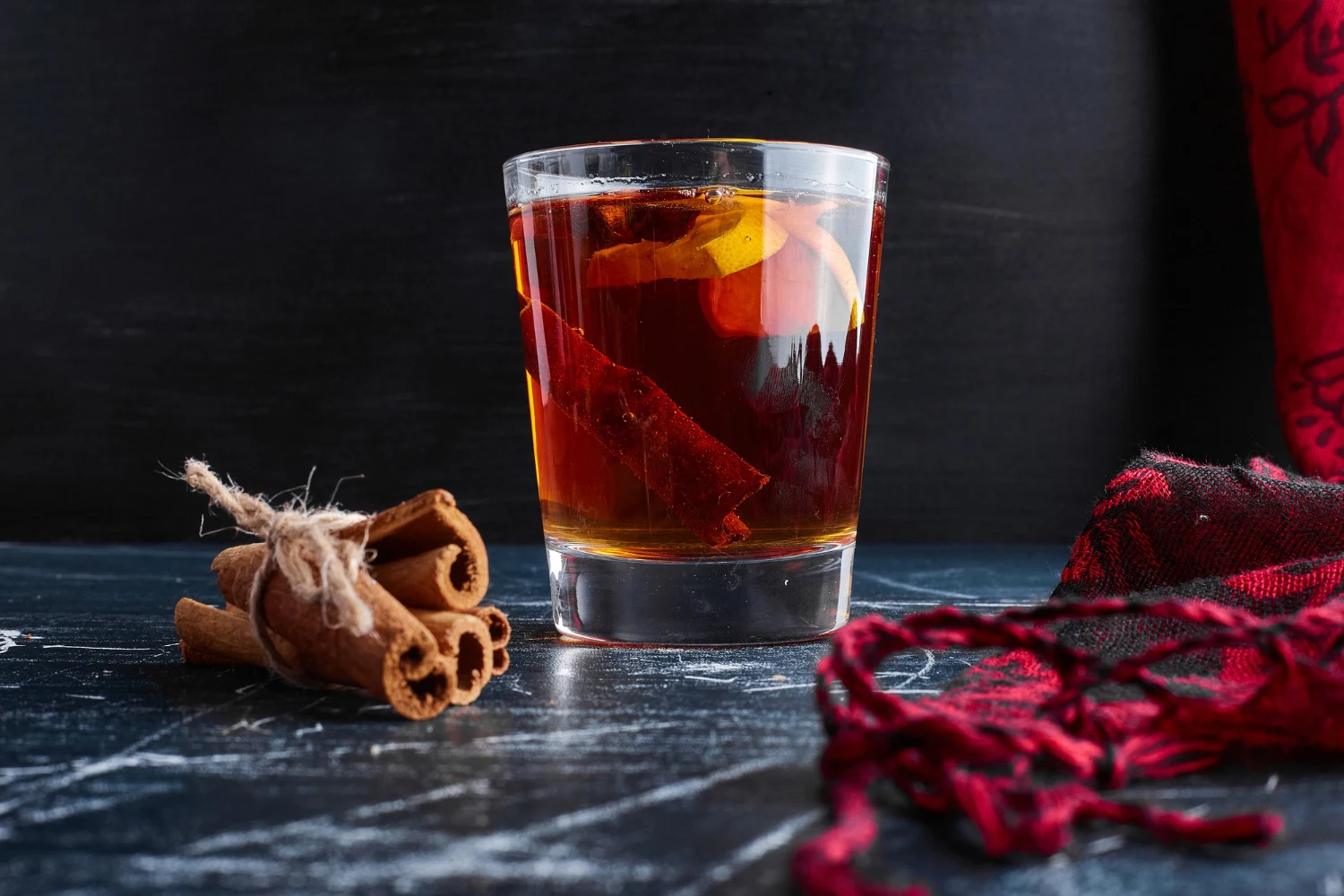
Spiced rum starts as a base rum infused with vanilla, cinnamon, clove, or other warming botanicals, resulting in a flavor-forward spirit built for easy sipping. Producers vary widely in their spice blends, so tasting a few brands helps you find a profile that matches your preferences.
How Rum Types Are Classified
Aging plays a central role in how a rum is categorized. Unaged rums stay closer to their raw sugarcane character, while aged versions develop complexity from years spent in wood.
Origin matters just as much. Rums from former French colonies, English-speaking Caribbean islands, and Spanish-speaking countries each follow distinct production traditions that shape flavor and labeling conventions.
Proof strength is another factor buyers should track closely. Standard rums typically sit near 40 percent alcohol by volume, while overproof versions climb well beyond that threshold.
Labeling laws differ by country, so a “aged” statement on one bottle may mean something different than on another. Reading the back label carefully helps you understand exactly what you are buying.
By Region
Caribbean rum production splits into distinct traditions shaped by colonial history. Jamaican rum leans funky and ester-rich, while rum from Barbados tends toward a smoother, more balanced profile.
Latin American producers, particularly in countries like the Dominican Republic and Venezuela, favor lighter, sweeter styles influenced by Spanish distilling methods. You will notice these regional fingerprints the moment you compare bottles side by side.
By Aging Process
Some rums age in a solera system, blending spirits of different ages through a fractional process borrowed from sherry production. This method creates consistent, layered flavor across every batch.
Other producers use single-vintage aging, where the entire batch rests together for one defined period. You get a more transparent age statement, though less blending complexity than a solera release delivers.
By Proof
Standard-proof rums, generally bottled between 40 and 46 percent alcohol by volume, suit most sipping and mixing needs. Their balance makes them approachable for a wide range of drinkers.
Overproof rums exceed 57 percent alcohol by volume and deliver intense heat alongside concentrated flavor. Bartenders often use them sparingly, as a flavor-boosting float on tiki cocktails rather than a primary pour.
Choosing the Right Type of Rum for You
Matching the right style to your goal makes every bottle more enjoyable. Consider how you plan to drink it before making a purchase.
The categories below cover the most common ways people buy and use rum.
For Sipping Neat
Choose an aged dark or gold rum with several years in the barrel. Look for tasting notes involving vanilla, dried fruit, or baking spice for the smoothest neat experience.
For Classic Cocktails
Reach for a reliable white rum when building daiquiris, mojitos, or other citrus-driven drinks. Its clean profile keeps the other ingredients balanced and forward.
For Tropical Drinks
Gold or a light spiced rum brings extra character to tiki-style cocktails without overwhelming the other tropical flavors. Layering two rum styles in one drink is a common technique worth trying.
For Cooking
Dark rum holds up best against heat, making it the strongest choice for sauces, marinades, and desserts. Its molasses notes intensify beautifully during reduction.
For Gifting
An aged rum with clear provenance, such as a single-vintage or estate bottling, makes a thoughtful gift for someone building their own collection. Presentation and packaging matter as much as what is inside the bottle.
For Building a Collection
Seek out limited releases, cask-strength bottlings, and rums from lesser-known producing regions. Comparing different types of rum side by side is the fastest way to develop a refined palate over time.
Latest Articles & Blogs
Explore our latest thoughts, creative insights, and design stories. At WENS Creative, we share what drives our creativity — from design trends to digital innovation, all crafted to inspire your next big idea.